A better view of
the whole vehicle.
For automotive engineering, design, and leadership teams who need to see how a vehicle comes together.

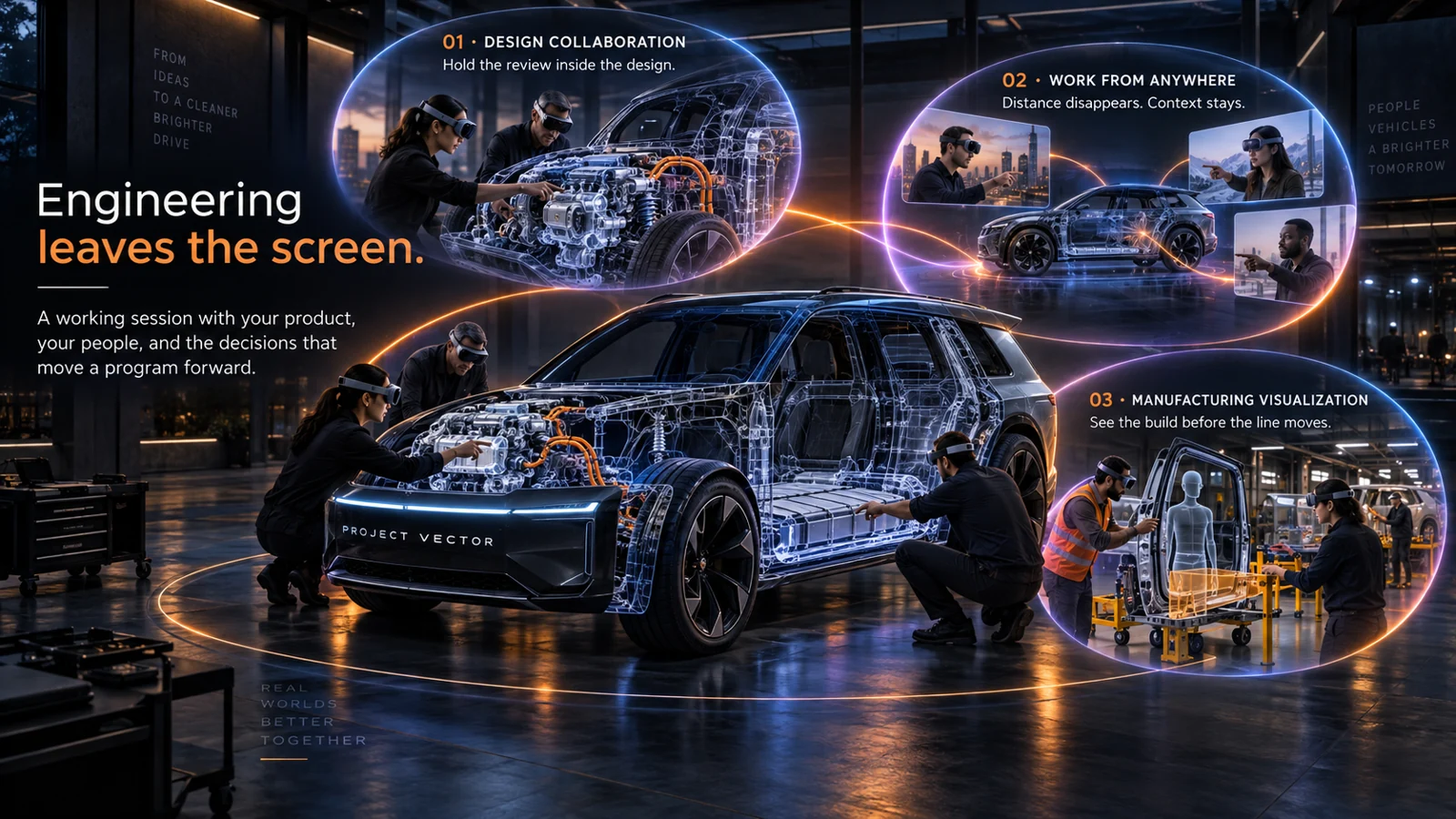
Design decisions connect.
Exterior form, internal systems, cockpit experience: none of them lives in isolation.
A vehicle review should help the people building the product understand how those parts relate. PulseJet's spatial engineering direction brings a clearer sense of structure and context to the discussion, from detailed mechanical work to high-level design intent.
Look through the surface.
Mechanical reviews move between the complete vehicle and the assemblies within it. An exploded view can make that relationship visible at a glance.
Discuss an automotive review ↗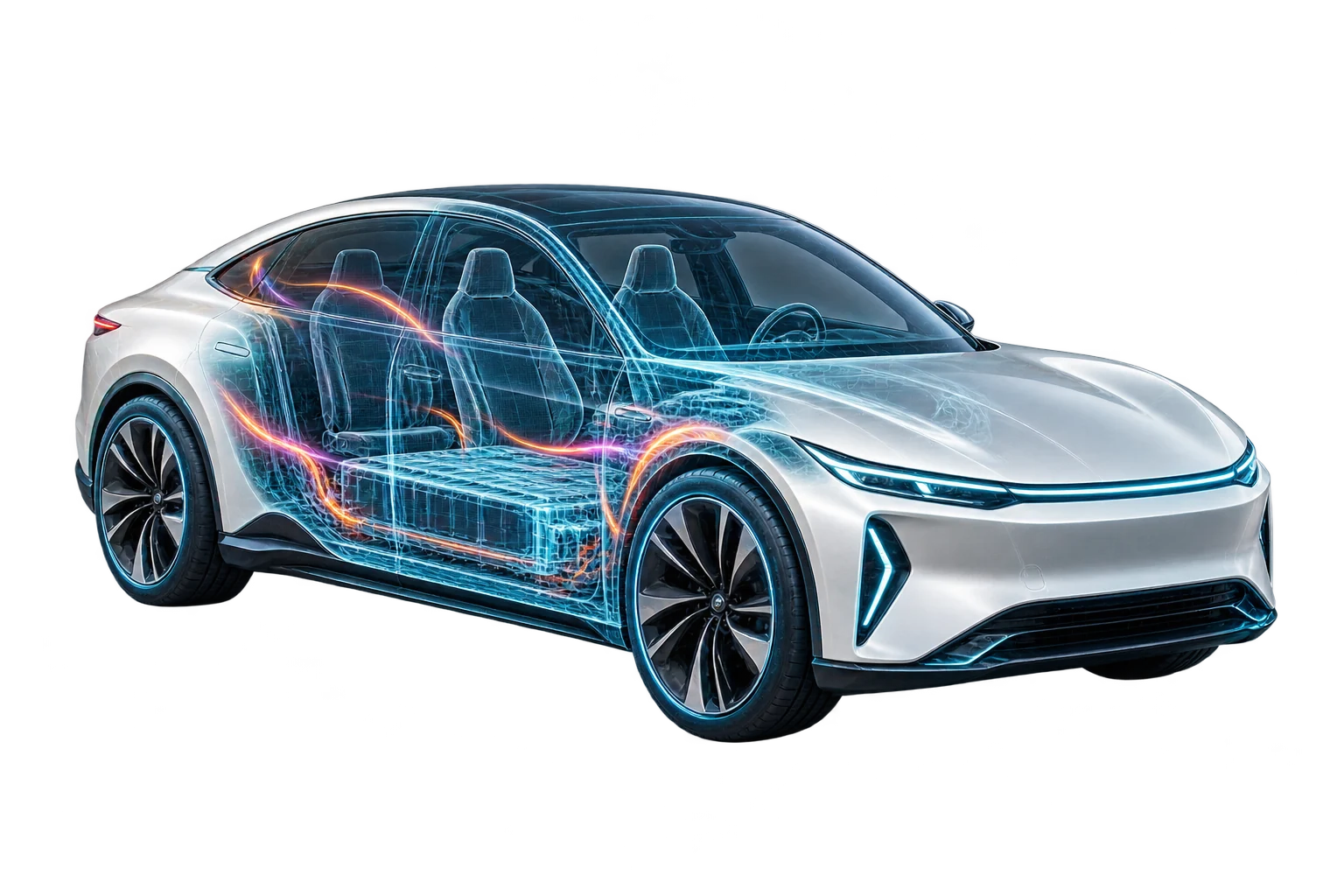
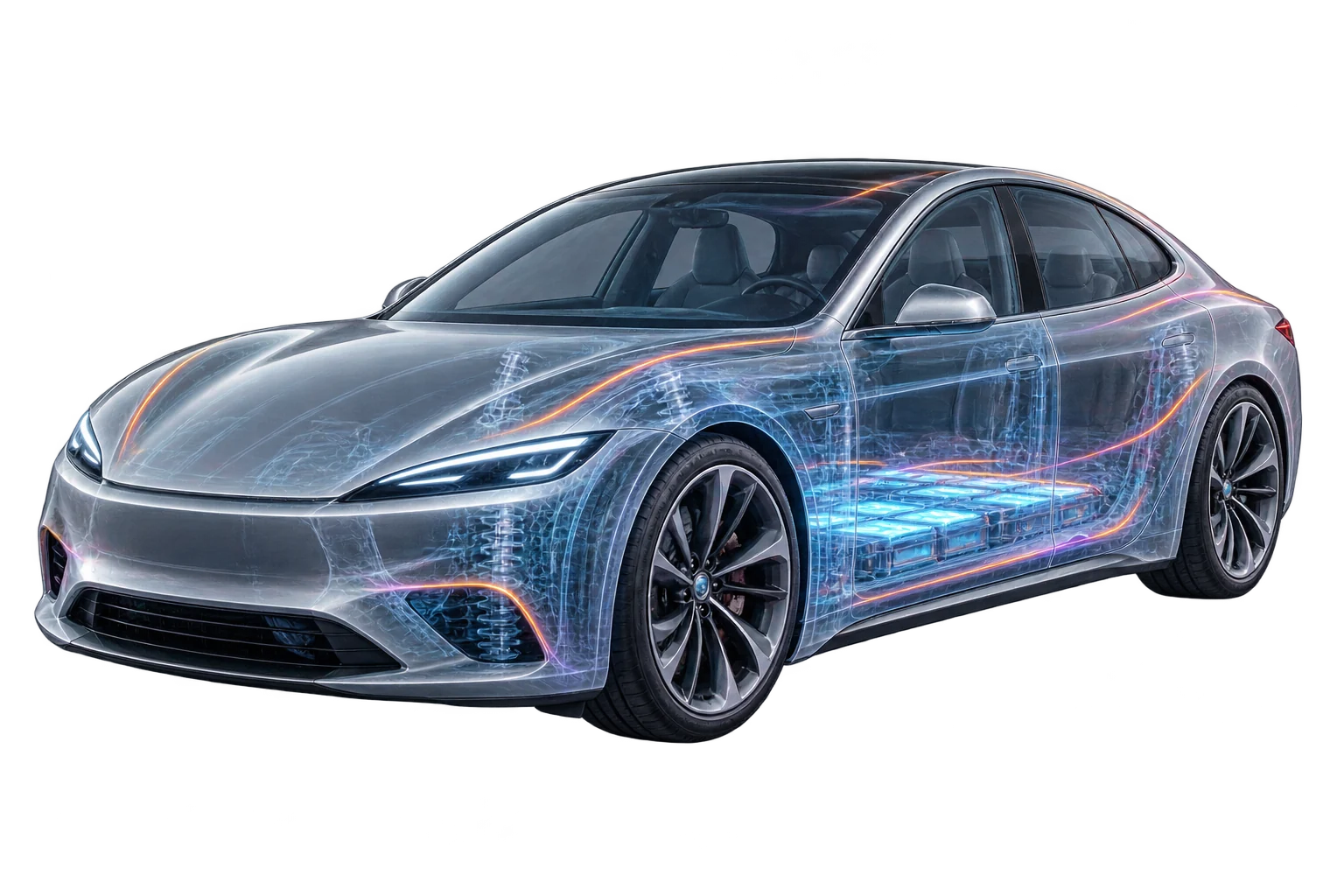
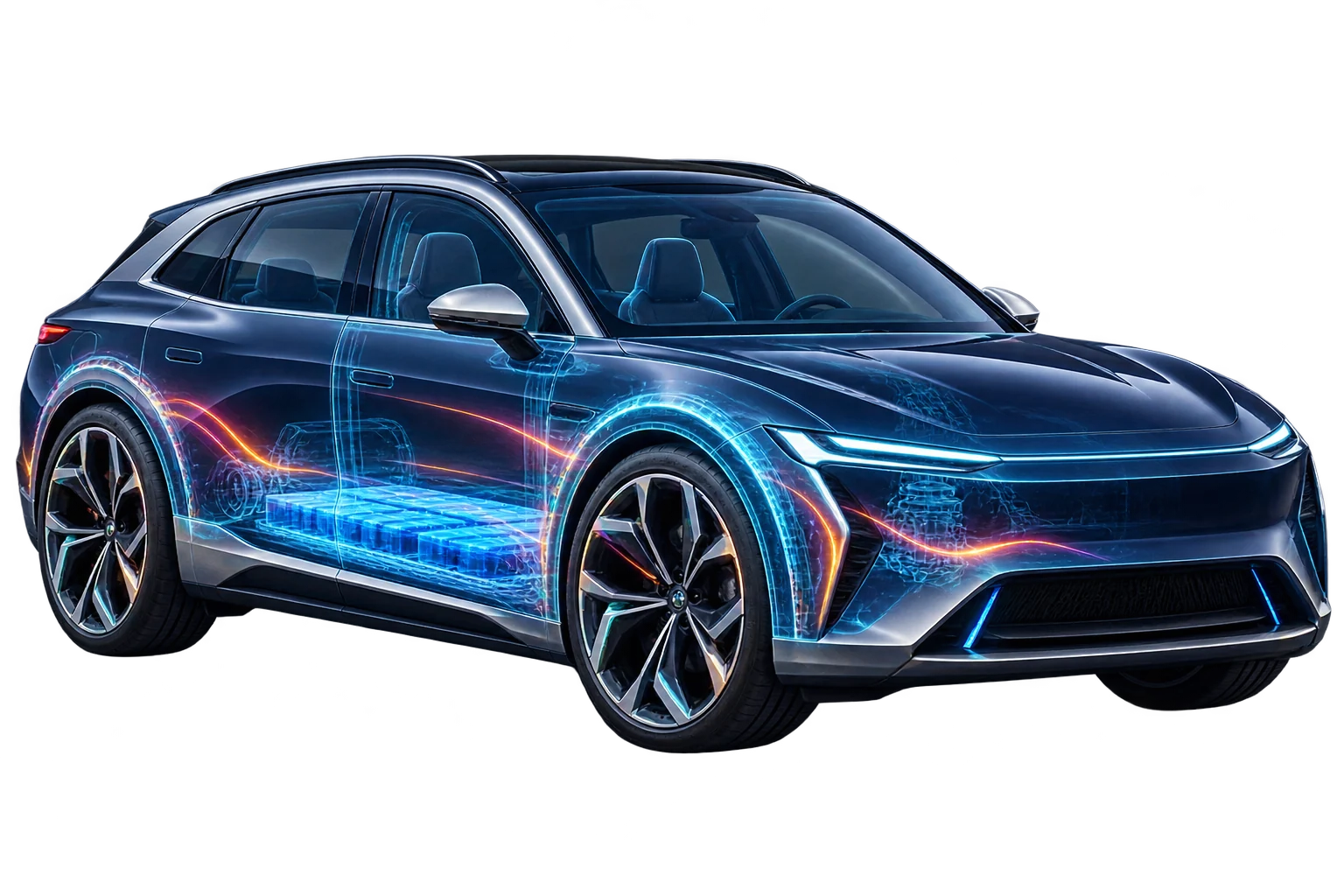
Design in context.
Vehicle experience includes packaging, cabin space, controls, displays, and the way a driver encounters the product. The same spatial lens can make those discussions more concrete.
Start with the question that matters.
A representative model
Bring an assembly or vehicle study that captures the design challenge you want to discuss.
A review question
Identify what the team needs to see, explain, or decide.
A spatial direction
We will work through how a spatial perspective could help that conversation.
Bring your next review into focus.
Tell us what your team needs to see, explain, or decide. We can start with a representative engineering model and a focused conversation.